Americans believe in helping the vulnerable. Medicaid and Medicare were created to ensure seniors, people with disabilities, and low-income families receive the care they need. Those programs are absolutely worth protecting.
But what should concern every taxpayer is the steady expansion of government control over healthcare through incremental policies that move America toward a government-dominated system, without an honest national debate.
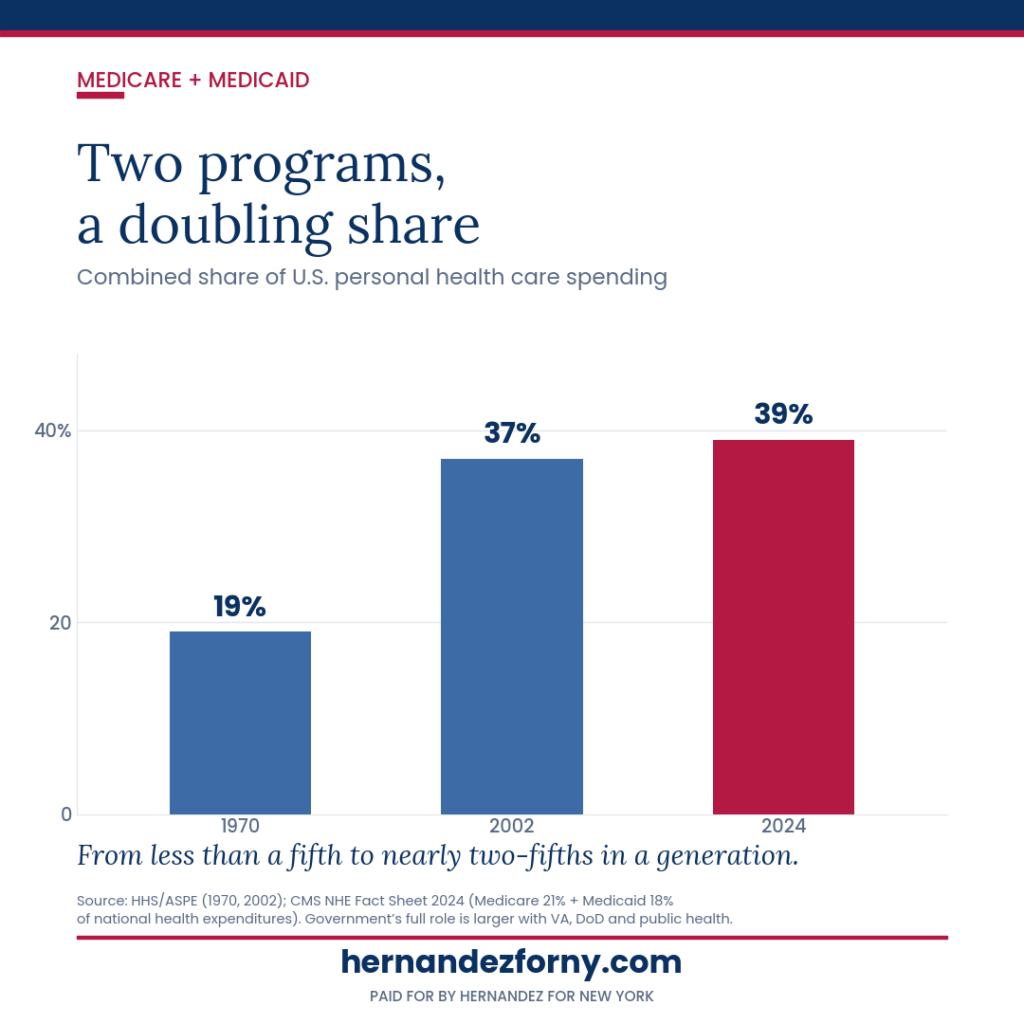
This is a prime example of government creep. Democrats do not need to pass a single-payer bill tomorrow. They can expand Medicaid, increase subsidies, layer on regulations that make private insurance less competitive, and shift more Americans onto publicly funded coverage.
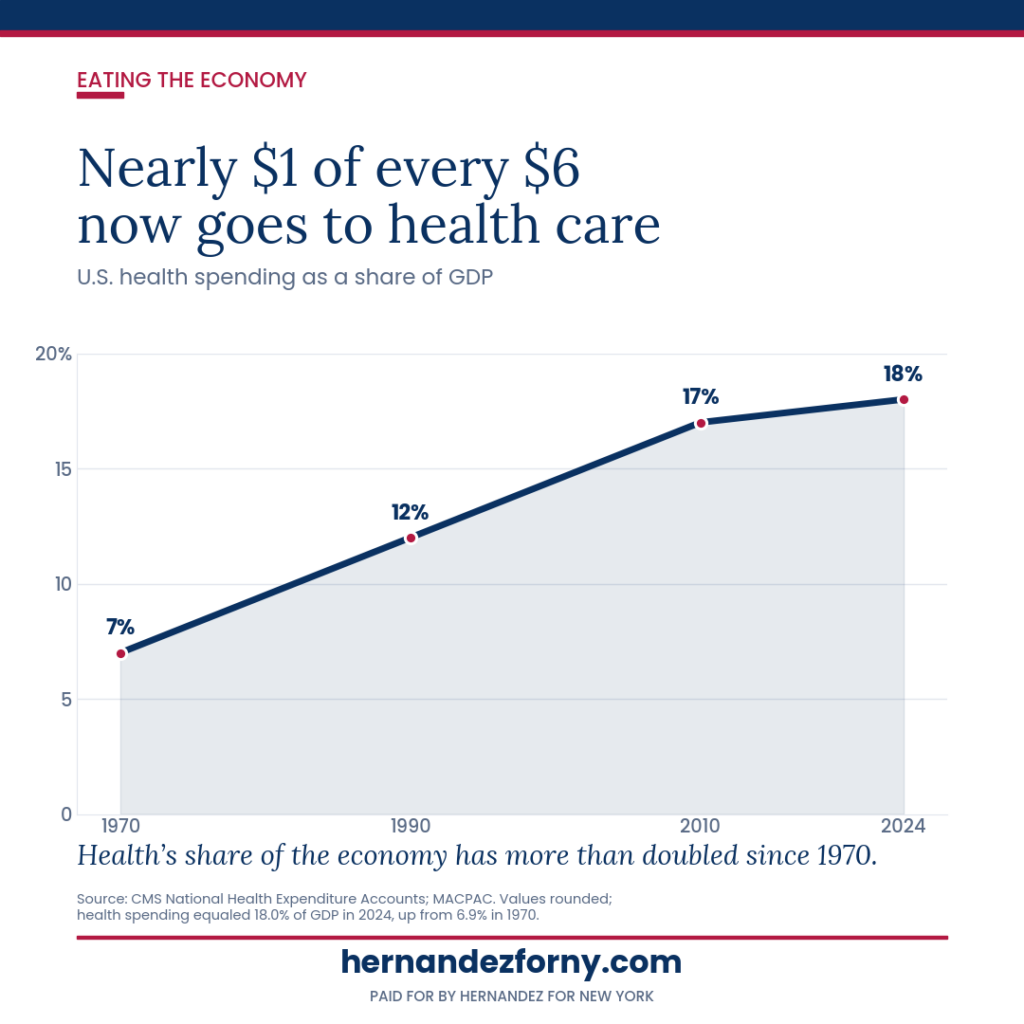
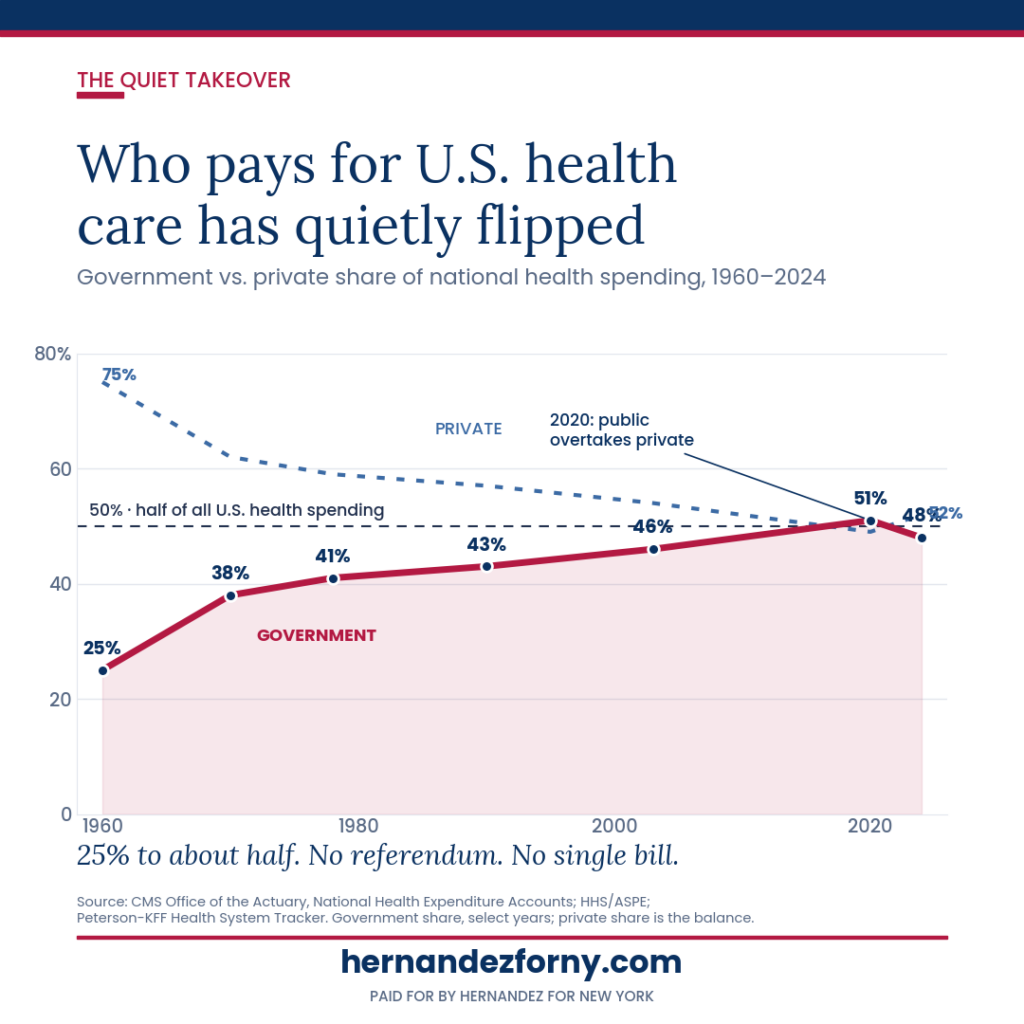
Year after year, government becomes the dominant payer while private competition shrinks. Eventually, taxpayers find themselves financing a healthcare system they never explicitly voted to create. And New York offers a glimpse of where that path leads.
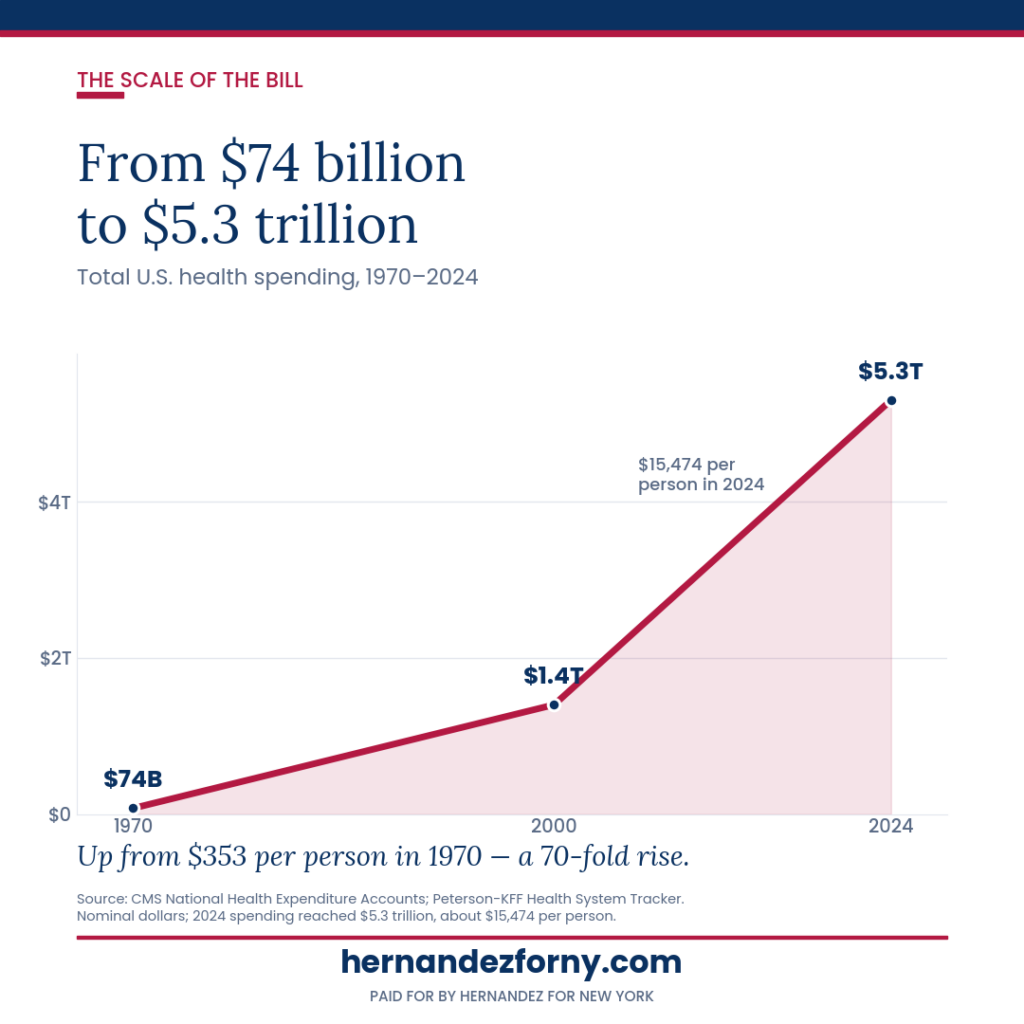
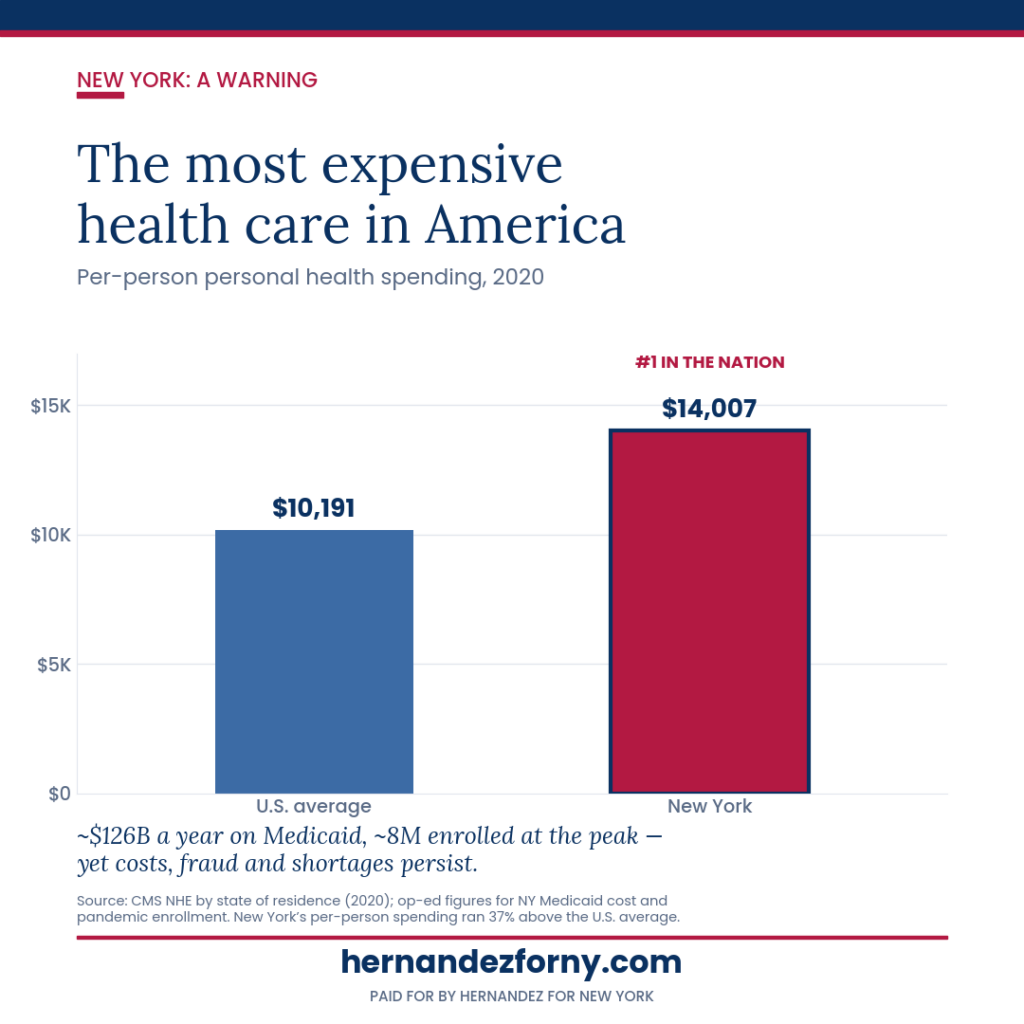
Today, New York’s Medicaid program costs taxpayers roughly $126 billion annually, making it one of the largest government healthcare programs in the nation. During the pandemic, enrollment approached 8 million New Yorkers, and although emergency enrollment has since declined, spending continues to rise. Every annual budget expands government’s role while demanding more from taxpayers.
This isn’t simply about spending more money. It is about replacing market competition with government dependence.
In countries like Canada who offer universal healthcare, they have lengthy waits for specialists, struggle with diagnostic imaging and scheduling elective procedures. Britain’s National Health Service has faced record waiting lists, staffing shortages, physician strikes, and recurring funding crises. These systems demonstrate a fundamental reality: when government becomes the dominant purchaser of healthcare, it inevitably controls access to care.
America should learn from these countries, not copy them. The United States remains the global leader in medical innovation because we reward investment, entrepreneurship, competition, and scientific discovery. I have seen breakthrough medicines, medical devices, cancer therapies, and life-saving technologies firsthand in the biotechnology field.
And this is no accident. Our market-based system creates incentives for investors to finance risky research, entrepreneurs to build new companies, and scientists to pursue discoveries that improve—and often save—millions of lives. While government-funded research plays an important role, free markets help transform scientific breakthroughs into treatments that reach patients.
Innovation follows incentives. Government monopolies reward bureaucracy. None of this means America’s healthcare system is perfect. Costs are too high, administrative burdens are excessive, and fraud remains a serious problem. But those failures argue for reform and not more bureaucracy.
The greatest threat to Medicaid and Medicare is actually waste, fraud, abuse, and a lack of accountability. Billions of taxpayer dollars are lost every year through improper payments, fraudulent billing, organized criminal schemes, and weak oversight. Every stolen dollar is one unavailable for a senior needing long-term care, a child with disabilities, or a family that legitimately depends upon these programs.
Policymakers should modernize oversight, deploy artificial intelligence to identify fraudulent claims in real time, and strengthen eligibility verification. Independent forensic audits need to be deployed and transparency of government and nonprofit contracts are necessary.
Every additional dollar consumed by an expanding healthcare bureaucracy is a dollar unavailable for public safety, education, infrastructure, tax relief, or reducing our debt. Government spending alone does not improve healthcare. Accountability does.
New York should serve as a warning, not a blueprint. Despite operating one of America’s largest Medicaid programs, the state continues to struggle with rising costs, persistent fraud, provider shortages, and unequal access to care. Simply spending more taxpayer money has not solved those problems.
Americans deserve affordable healthcare, period. If advocates believe a government-run, single-payer system is the right answer, they should make that case openly and let voters decide.
The future of American healthcare should rest on free markets, innovation, accountability, and patient choice, and not the slow, relentless expansion of government.